


A Guide to Safe Foot Massage Therapy for Seniors at Home
For seniors and anyone dealing with limited mobility, a good foot massage is so much more than just a nice treat. It's a powerful therapeutic tool that can genuinely improve day-to-day life. By targeting common issues like poor circulation, stiff joints, and persistent pain, this specialized care boosts balance, eases the ache of arthritis, and helps maintain precious independence. It's a cornerstone of wellness in later years.
The Vital Role of Foot Massage Therapy in Senior Wellness
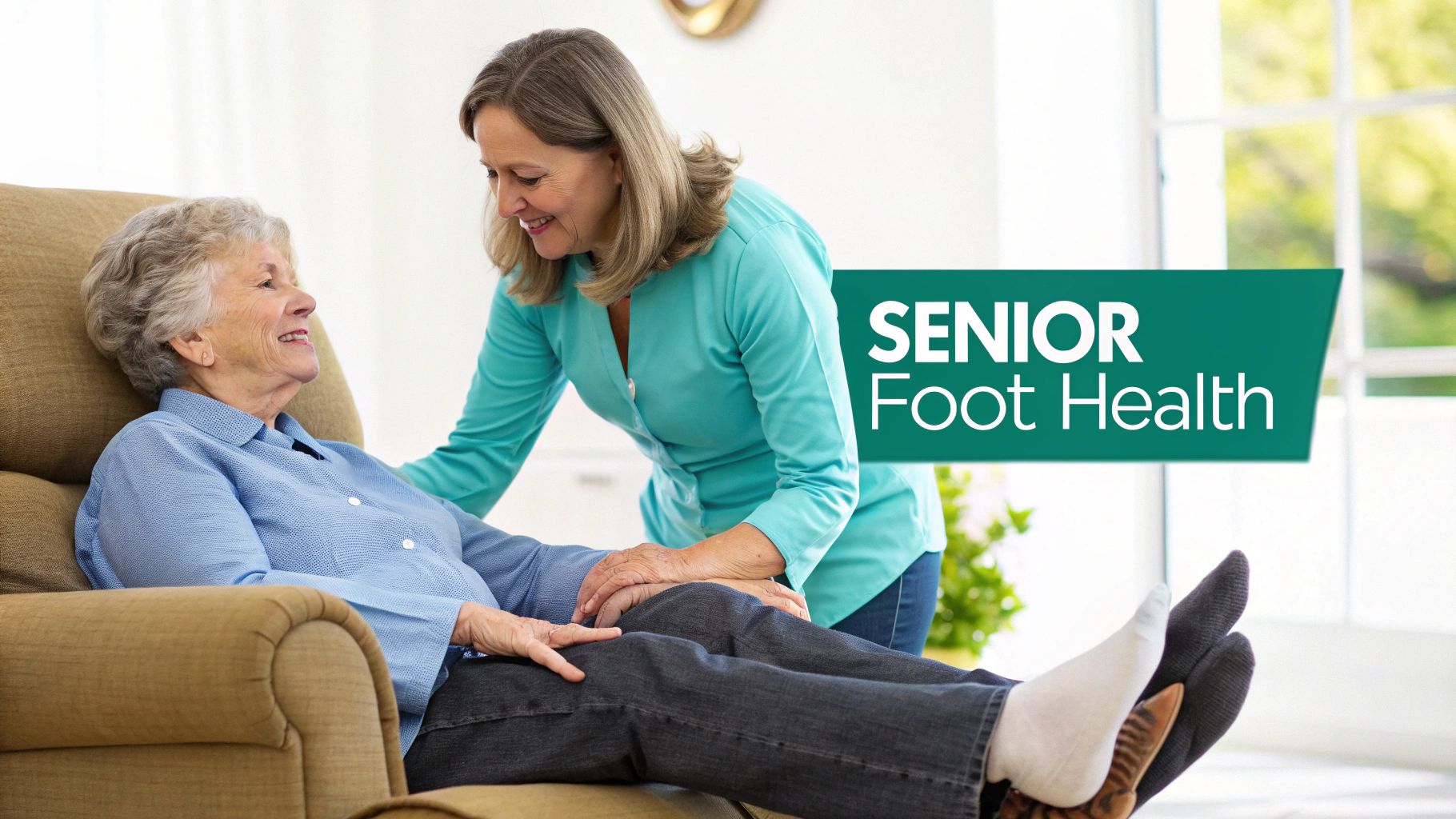
As we age, our feet can become a source of constant frustration. Problems that were once minor annoyances can turn into major hurdles, making it harder to get around and increasing the risk of a fall. This is precisely where professional foot massage therapy proves its worth, becoming a key part of any senior's wellness routine.
This isn't just a casual foot rub. A therapeutic massage from a professional is a clinical treatment rooted in a deep understanding of the body's mechanics. The focus is on releasing tight muscles, restoring flexibility to joints, and getting blood flowing to tissues that need it most. This is especially critical for managing conditions like arthritis, as gentle, skilled manipulation can calm stiffness and relieve pain without aggravating inflammation.
More Than Just Relaxation: Building a Foundation for Mobility
Of course, relaxation is a wonderful side effect, but the real goal of foot massage for seniors is to improve function. Our feet are literally the foundation for stable, confident movement. When we can reduce the pain and stiffness holding someone back, they're often more willing and able to stand, walk, and participate in the activities they love.
This creates a powerful positive ripple effect across their entire well-being:
Better Balance and Stability: By loosening tight muscles and improving proprioception—the body’s innate sense of its position—foot massage directly helps reduce the risk of dangerous falls.
Improved Circulation: Getting blood moving is crucial, particularly for individuals with diabetes or edema (swelling). Good circulation delivers vital oxygen and nutrients and helps flush out metabolic waste.
Effective Pain Management: Specific techniques can offer tremendous relief from chronic issues like plantar fasciitis and arthritic joints, providing a non-drug option for managing daily discomfort.
Adding regular foot massage to a senior’s schedule can be a fantastic complement to a range of other engaging assisted living activities for seniors. It not only meets a physical need but also provides the immense benefit of compassionate, healing touch.
Accessible, Professional Care Right at Home
In Canada, massage therapy has rightfully earned its place as a recognized and respected health service, moving far beyond its old reputation as a luxury. In fact, for seniors with mobility challenges, work on the lower legs and feet can account for 30–50% of a treatment session. That’s because it’s so fundamental to improving gait, managing swelling, and preventing falls.
Bringing this essential care directly into a client’s home is a game-changer. It eliminates the stress of transportation and navigating an unfamiliar clinic. Treatment can happen in a safe, comfortable, and familiar setting, which makes all the difference for many older adults.
For those in communities like Brampton, Toronto, Etobicoke, Oakville, Caledon, and the surrounding areas, a mobile Registered Massage Therapist (RMT) like Taylor from Stillwaters Healing & Massage delivers this specialized care. By adapting every session to the person's unique needs, he can work with a wide spectrum of conditions, from general geriatric concerns to post-surgery rehabilitation. This makes high-quality, therapeutic foot care accessible to everyone.
You can learn more about how massage therapy supports aging gracefully and comfortably in our detailed guide.
Creating a Safe and Soothing Massage Environment
A truly effective foot massage starts long before you ever lay hands on someone’s feet. The atmosphere you create is just as important as the technique you use, especially when you're working with seniors or folks with limited mobility. A calm, secure space helps the body and mind relax, making the entire experience far more beneficial.
Taking the time to set the stage properly shows you care. It tells the person that their comfort and well-being are your top priorities. Whether you're a family member offering a bit of comfort or getting things ready for a mobile RMT like Taylor to visit, these steps are the foundation for a great session.
Preparing the Physical Space
First things first, let's talk about the room itself. Older adults can be more sensitive to temperature, so make sure the space is comfortably warm and free of any drafts. Simple things like dimming the lights and turning off the TV can instantly make a room feel more peaceful.
Think about the little touches. Soft, gentle music can work wonders for relaxation, but it's always a good idea to ask what they prefer. Some people find silence is the best way to unwind and connect with their body.
Before you start, get all your supplies together. This avoids having to get up and interrupt the flow once you've begun. You'll want to have:
Pillows and Blankets: Keep a few pillows or rolled-up towels handy. You can tuck them under the knees and ankles to take the pressure off the lower back and joints, helping everything stay comfortably aligned.
Clean Towels: It's smart to have two. Place one under the feet to catch any excess lotion and protect your furniture, and use the other to drape over their legs to keep them warm.
Lotion or Oil: Opt for a high-quality, hypoallergenic lotion or oil. When in doubt, an unscented product is the safest choice to avoid any potential skin reactions.
To keep things organized, here's a quick checklist you can use to make sure you've covered all your bases before you begin.
Essential Preparation Checklist for a Therapeutic Foot Massage
Category | Key Considerations and Actions |
|---|---|
Atmosphere | Dim the lights. Ensure the room is a comfortable, warm temperature. Minimize noise and distractions. Ask about music preferences or if silence is preferred. |
Comfort Items | Gather pillows, bolsters, or rolled towels for support under knees and ankles. Have at least two clean towels and a warm blanket ready. |
Massage Medium | Choose a hypoallergenic, unscented lotion or oil. Place it within easy reach to avoid interruptions. |
Positioning | Assess the best location: recliner, bed, or wheelchair. Ensure the chosen spot is stable and fully supportive. |
Safety | Clear the area of any tripping hazards. If using a wheelchair, lock the brakes. Place a cushioned stool for foot support if needed. |
Following this simple checklist helps ensure nothing is overlooked, allowing both you and the recipient to fully relax into the session.
Ensuring Stable and Comfortable Positioning
Getting the positioning right is absolutely non-negotiable—it's all about safety and effectiveness. The main goal is to make sure the person is completely supported and relaxed, with zero strain on their muscles or joints. How you do this really depends on their mobility and where they feel most comfortable.
If they're in a recliner, let them lean back to a comfortable angle and use pillows to support their head, neck, and under their knees. For someone in bed, you can prop them up with pillows into a semi-reclined position or have them lie flat with a pillow under their knees for low back relief.
Working with a wheelchair user? The first step is always to lock the brakes securely. You might place their feet on a low stool with a pillow on top to bring them to a comfortable height for you to work. In any situation, stability is key. For more on creating a safe space, you can check out these practical safety tips to prevent falls in the elderly.
Here's the most important thing to remember: the person receiving the massage shouldn't have to use any of their own muscles to hold their position. When the body feels completely supported, it can finally let go and relax, which unlocks the full benefits of the foot massage.
The Importance of Open Communication
A safe environment isn't just about pillows and lighting; it's about trust. Your most valuable tool is open and honest communication. Before you even begin, have a gentle chat about their needs and any concerns they might have.
Ask about specific spots that are sore, tender, or sensitive. It's crucial to know about any pre-existing health conditions that might require you to adjust your approach, such as:
Diabetes: This can cause neuropathy, which is a loss of sensation in the feet.
Arthritis: Joints might be swollen and painful to the touch.
Varicose veins: You'll want to avoid deep pressure over these areas.
Any open sores, cuts, or skin irritations.
This initial conversation builds a foundation of trust. Throughout the massage, encourage them to give you feedback. Simple questions like, "How does this pressure feel for you?" or "Please let me know if anything becomes uncomfortable," empower them to be an active partner in their own care. This collaborative approach ensures the foot massage is not just soothing, but also perfectly tailored to their unique needs, making it a truly healing experience.
Gentle Massage Techniques for Caregiver Support
As a family caregiver, offering a gentle foot massage can be a powerful way to connect with your loved one. It’s a form of compassionate touch that provides comfort, eases minor aches, and can truly strengthen your bond.
While these techniques aren’t a replacement for the clinical care of a Registered Massage Therapist, they can make a world of difference in your loved one's day-to-day well-being. The secret is to be gentle, attentive, and rhythmic. Your goal is to create a soothing experience that helps them relax and boosts circulation without causing any stress or pain.
Setting the Stage for Comfort
Before you even start, take a moment to create a relaxing atmosphere. A little preparation goes a long way in making the massage feel truly therapeutic.
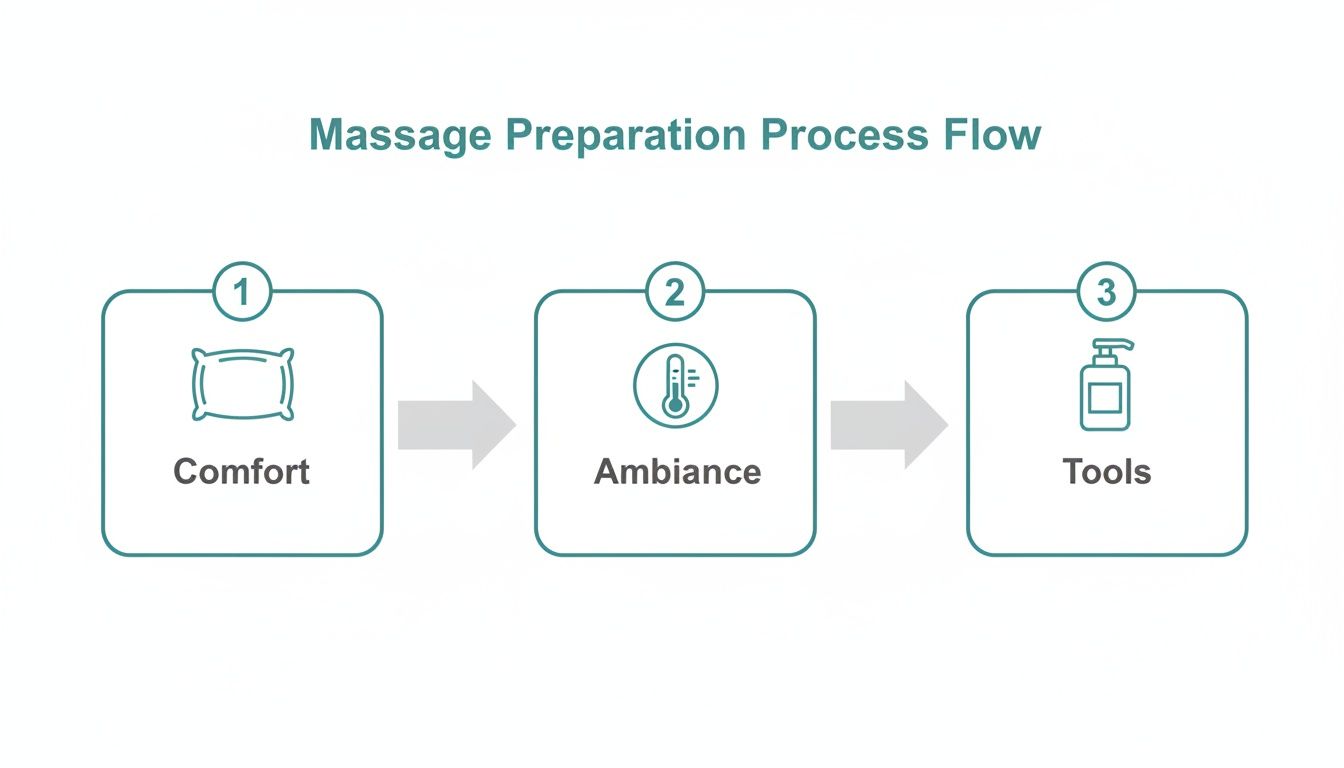
As you can see, a successful session starts with the basics: ensuring they're physically comfortable, the room is a pleasant temperature, and you have your tools, like a good lotion, within reach.
Foundational Strokes for a Soothing Foot Massage
Once you're both settled and comfortable, warm a small amount of hypoallergenic, unscented lotion in your hands. This simple step reduces friction on the skin, making every movement smoother and more pleasant. Throughout the massage, keep the lines of communication open—ask how the pressure feels and listen to their feedback.
1. The Gentle Introduction: Effleurage (Gliding Strokes)
This is the perfect way to both begin and end the massage. Effleurage is simply a series of long, light, gliding strokes. It gently warms up the foot and sends a signal to the body that it’s time to relax.
How to do it: Place your hands on either side of the foot. With light pressure from your open palms, glide smoothly from their toes up toward the ankle and even onto the lower calf. Maintain gentle contact as you circle back down to the toes.
Safety Note: Always keep the pressure light, especially as you stroke upwards toward the heart. The goal here is pure soothing comfort, not deep pressure.
2. Easing Sole Tension: Thumb Circles
The soles of our feet carry our entire body weight and, as a result, can hold an incredible amount of tension. A little gentle work with your thumbs can work wonders to release that tightness.
How to do it: Use one hand to support the top of their foot. With the thumb of your other hand, make small, slow circles across the entire sole, working your way from the ball of the foot all the way down to the heel.
Safety Note: Be careful not to press too hard. This is particularly important if the person has sensitive feet or a condition like neuropathy. Watch their face and body language for any signs of discomfort and adjust your pressure immediately.
A key principle for caregivers is to always work within the comfort zone of the person receiving the massage. Therapeutic touch is about relief, not endurance. If you find a tender spot, simply lighten your pressure or move to a different area.
Focusing on Toes and Ankles for Flexibility
Stiffness in the small joints of the feet can have a surprising impact on a person's balance and overall comfort. These next careful movements are designed to help maintain flexibility where it's needed most.
3. Gentle Toe Mobilization
Each toe plays a vital role in balance and the way we walk. Gently moving them one by one can feel incredibly relieving.
How to do it: Take a single toe between your thumb and forefinger. Gently pull it straight out, then make a few small circles in one direction, then the other. Repeat this for all ten toes.
Safety Note: Never force a joint past its comfortable range of motion. If you feel any resistance or they show any sign of pain, stop right away. This is especially crucial for individuals living with arthritis.
4. Ankle Rotations for Mobility
The ankle is a complex and essential joint for walking. Performing gentle rotations can help ease stiffness and keep it moving more freely.
How to do it: Cup their heel with one hand while gently holding the top of the foot with your other. Very slowly and carefully, rotate the entire foot in a circle—a few times clockwise, then a few times counter-clockwise.
Safety Note: Keep an eye out for varicose veins, which often appear around the ankle area. Always use exceptionally light pressure and avoid pressing directly on them.
These simple, caregiver-led techniques can be a wonderful part of a daily care routine. For more ideas on managing tension at home, you might also want to explore these simple self-massage techniques for seniors. This knowledge, paired with professional care, creates a truly supportive wellness plan.
Remember, your goal is compassionate touch. When you're unsure about a technique or if your loved one has complex health issues, it's always best to consult a professional. An RMT like Taylor, who serves areas including Brampton, Etobicoke, Mississauga, Oakville, Milton, and Caledon, can provide a clinical assessment and a personalized treatment plan, ensuring any foot massage therapy is both safe and maximally effective. When you're ready, you can schedule a professional in-home session online.
Modifying Massage for Common Health Conditions
When giving a foot massage to an older adult or someone with limited mobility, it’s about so much more than just technique. You need a deep respect for their overall health. Many seniors live with chronic conditions that change how their bodies respond to touch, so adapting your approach isn't just a nice-to-have—it's absolutely essential for a safe and truly therapeutic experience.
Knowing how to adjust for common issues like diabetes, arthritis, or swelling transforms a simple foot rub into a powerful wellness tool. It's just as crucial to know when to stop and avoid massage altogether. This awareness is what makes the practice supportive and healing, rather than risky.
Adjusting for Diabetes and Neuropathy
Diabetes often affects the lower legs and feet, sometimes causing peripheral neuropathy—a condition that brings numbness, tingling, or even a total loss of sensation. This makes gentle hands and clear communication non-negotiable.
If someone can't feel pressure accurately, they won't be able to tell you if you're being too firm, which could lead to bruising or tissue damage. The goal here isn't deep tissue work; it's about light, soothing strokes that get the circulation going without being invasive.
Here’s how to adapt for diabetic foot care:
Always check first. Before you even begin, take a moment to gently look over their feet for any cuts, blisters, sores, or red spots. Never massage over broken skin.
Keep the pressure feather-light. Use broad, gentle strokes with your palms instead of digging in with thumbs or knuckles.
Watch the water temperature. If you're starting with a foot soak, the water must be lukewarm, not hot. Nerve damage can make it hard for them to gauge temperature correctly.
Moisturize smartly. A good, unscented moisturizer is great for dry skin, but don't apply it between the toes. That can create a moist environment perfect for fungal infections.
This mindful approach does more than just provide comfort; it also serves as an important daily skin check.
Soothing Arthritic Joints
Arthritis brings inflammation, stiffness, and pain to the joints, turning even small movements into a challenge. For feet with arthritis, the goal of massage is to soothe, not to force. Any deep, intense work directly over inflamed joints will only make things worse.
Instead, think gentle and warm. Use techniques that encourage comfortable movement. Long, gliding strokes can warm up the muscles around the joints, while very light, slow circles around the ankles and toes can help ease stiffness without causing a flare-up.
The golden rule for arthritis is simple: never work directly on a joint that is swollen, hot, or acutely painful. Focus your attention on the surrounding muscles. This helps relieve tension and improve blood flow to the area indirectly, providing relief without aggravating the inflammation.
For a deeper dive into this topic, our guide on the role of massage in managing arthritis and joint pain offers more detailed techniques.
Managing Edema and Poor Circulation
Edema—swelling caused by fluid trapped in the body's tissues—is incredibly common in the feet and ankles of older adults, especially those who aren't very mobile. A light, rhythmic massage can be a fantastic way to help move that stagnant fluid along.
The key is to use gentle, upward strokes, always moving from the foot toward the heart. This direction encourages the lymphatic system to drain the excess fluid, which can reduce that puffy, heavy feeling.
Before you start, a quick comparison table can help clarify the approach for different conditions.
Modifications for Common Health Conditions
Condition | Key Precautions and Recommended Modifications |
|---|---|
Diabetes / Neuropathy | Always inspect feet for sores first. Use extremely light, gliding pressure to avoid bruising. Avoid applying lotion between toes. |
Arthritis | Never apply direct pressure to swollen or acutely painful joints. Use gentle, warming strokes on surrounding muscles to ease stiffness. |
Edema (Swelling) | Use very light, slow, upward strokes directed toward the heart to encourage lymphatic drainage. Elevate legs before and after. |
Poor Circulation | Focus on gentle, stimulating strokes to improve blood flow. Avoid deep, sustained pressure that could impede circulation. |
Remember, with edema, if the swelling is severe, has appeared suddenly, or is only on one side, it might signal a serious medical issue. In that case, a doctor's advice is needed before any massage is given.
Recognizing Absolute Contraindications
While most conditions just require a few adjustments, there are some situations where foot massage should be avoided entirely. These are what we call absolute contraindications, and ignoring them can cause serious harm.
It’s not safe to perform a massage in these cases:
Over open wounds, cuts, or infections. Massage can spread bacteria and make the infection much worse.
On areas with known or suspected blood clots (DVT). Massaging a limb with a deep vein thrombosis could dislodge the clot, sending it toward the lungs—a life-threatening emergency.
In cases of severe, unexplained pain or swelling. This could be a sign of an undiagnosed medical problem that needs a doctor's attention first.
Over areas of acute inflammation or a recent injury. The body needs to heal on its own, and massage can interfere with that natural process.
When in doubt, always err on the side of caution. For anyone with a complex health history, the skill of a Registered Massage Therapist is your best bet. An RMT is trained to assess these conditions and create a treatment plan that’s both safe and effective.
When to Call a Registered Massage Therapist
A gentle foot rub from a family caregiver is a wonderful thing. It’s comforting, it builds connection, and it can offer real emotional and physical relief. But there are times when that loving touch isn’t quite enough, and a deeper level of clinical expertise is required.
Knowing when to call in a professional Registered Massage Therapist (RMT) is key to ensuring safety and getting the best possible results, especially when dealing with complex health issues.
Recognizing the Red Flags
While caregiver massage is fantastic for general relaxation, certain symptoms are your cue that something more serious might be going on. Think of these as red flags—signs that the specialized knowledge of an RMT is needed to figure out the root cause and treat it safely.
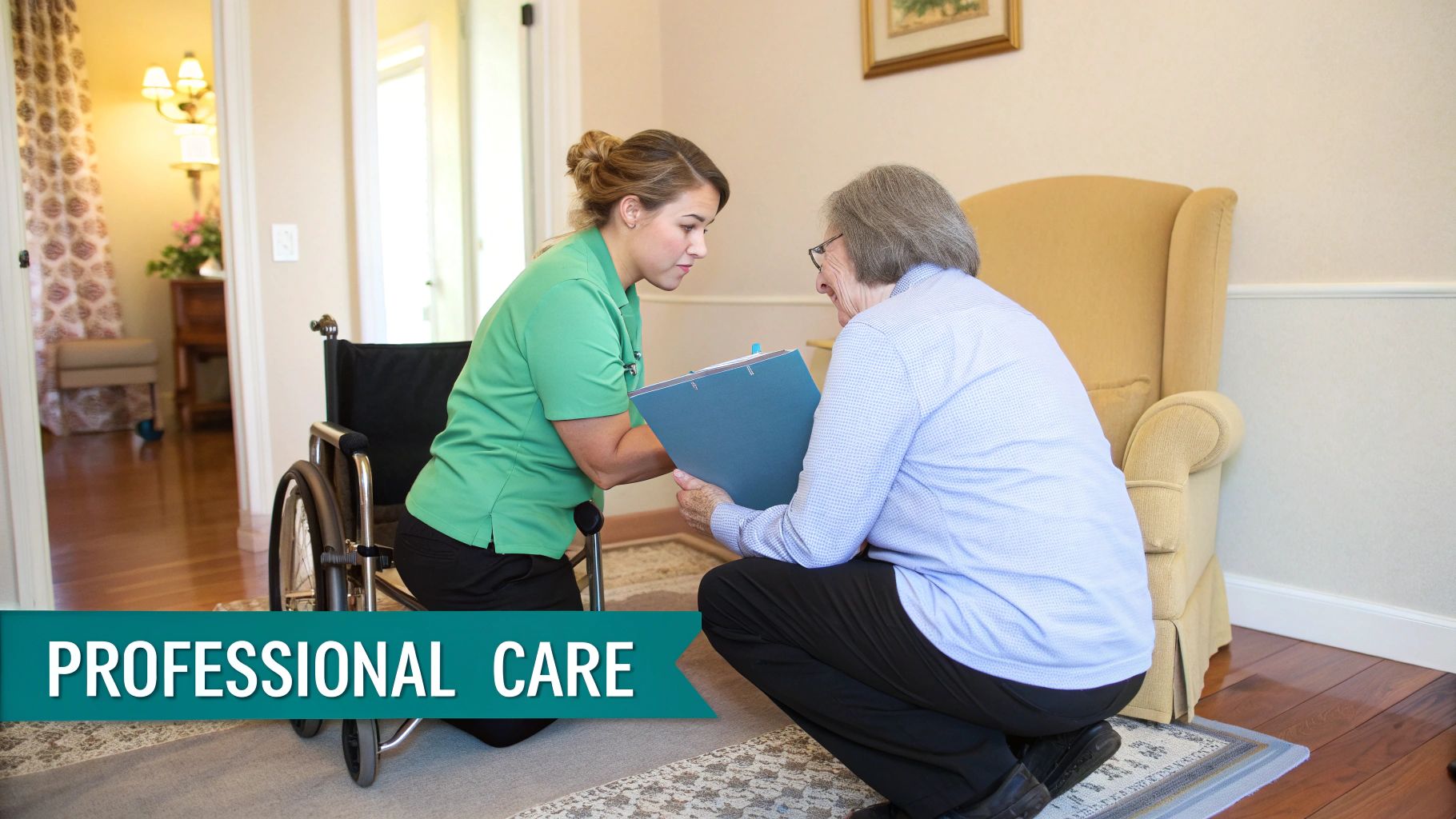
It’s time to seek professional help if you or your loved one experiences:
Pain that just won't quit: If the foot pain doesn't get better with rest or gentle touch and sticks around for several days, it’s a sign that it needs a professional look.
Numbness or tingling: That "pins-and-needles" sensation or a total loss of feeling isn't normal. It could point to nerve issues that a trained therapist needs to assess.
Significant, unexplained swelling: A little bit of swelling can be normal, but if it comes on suddenly, is severe, or is only on one side, it needs immediate professional attention to rule out serious conditions like a blood clot.
After an injury or surgery: Recovering from a fall, fracture, or operation requires a very specific approach. An RMT knows how to support the healing process without causing harm.
These symptoms are the body’s way of saying it needs more than just comfort—it needs a clinical eye.
The Advanced Skills of an RMT
A Registered Massage Therapist brings a whole different set of tools to the table—skills that go far beyond what a caregiver can or should do. This expertise is absolutely vital when managing complex conditions like Parkinson's, Multiple Sclerosis, or severe arthritis.
Our RMT's treatment is built on a deep understanding of anatomy and might include specialized techniques such as:
Swedish Massage: Utilizes long, flowing strokes to promote relaxation and improve circulation.
Deep Tissue Massage: Targets deeper layers of muscle and connective tissue to relieve chronic tension.
Myofascial & Trigger Point Release: Applies sustained pressure to release tightness in the fascia and muscular "knots."
Cupping Therapy: Uses suction cups to ease muscle tension, improve blood flow, and reduce inflammation.
Joint Mobilization: Employs slow, passive movements to increase a joint's range of motion.
An RMT doesn’t just chase symptoms. They perform a thorough assessment to understand what’s actually causing the discomfort. This allows them to create a targeted, safe, and personalized treatment plan. To learn more about what to expect, check out our detailed guide to a Registered Massage Therapist.
Why In-Home Professional Care Makes All the Difference
Let’s be honest—for many seniors and people with mobility challenges, just getting to a clinic is a huge ordeal. It can be a major barrier preventing them from getting the care they need. This is where mobile RMT services are invaluable.
Bringing professional, clinical-level foot massage right to someone's home removes all that stress. It ensures that care is not only accessible but delivered in a place where the client feels safe and comfortable.
Taylor provides this essential mobile service across communities including Brampton, Toronto, Mississauga, Milton, Halton, Guelph, Etobicoke, Oakville, Caledon, and Orangeville. By bringing all the necessary equipment and expertise directly to a client’s home or long-term care facility, Stillwaters Healing & Massage ensures that top-tier therapeutic care is always within reach.
Answering Your Questions About Senior Foot Massage
It's completely normal to have questions when you're looking into care for yourself or a family member. Making an informed decision is key, and when it comes to foot massage, knowing what to expect can make all the difference. Let's walk through some of the most common questions we get from clients and their caregivers.
Our goal here is to give you clear, straightforward answers so you can feel confident about exploring the benefits of professional, in-home massage therapy.
How Often Should a Senior Get a Foot Massage?
There’s no magic number here—the best frequency really depends on the individual's health and what they're hoping to achieve. The right schedule is simply the one that works for them.
For someone just looking for general relaxation and a bit of a boost, once or twice a month can be fantastic for maintaining mobility and keeping minor aches at bay. But for those managing more persistent issues, like chronic arthritis pain or circulation problems, a weekly session can provide more consistent, noticeable relief. That regularity is often the key to managing symptoms effectively.
A qualified RMT like Taylor can help you figure out a treatment plan that makes sense. He will work with you to find a rhythm that supports real, lasting improvements in comfort and day-to-day function.
Is Foot Massage Painful for Arthritis or Neuropathy?
This is such an important question, and the answer is simple: a therapeutic foot massage from a trained professional should never be painful. Client comfort is the top priority, especially when we're working with sensitive conditions.
When dealing with arthritis, our RMT focuses on gently soothing the muscles around the joints, not on the inflamed areas themselves. The goal is to ease stiffness and reduce pain, never to force movement. For neuropathy, where sensation can be tricky, he uses broad, gentle strokes and maintains constant communication to ensure the pressure is always comfortable.
Key Takeaway: Relaxation and relief are the goals. If anything ever causes discomfort, we stop and adjust immediately. The client is always in charge.
What’s the Difference Between Reflexology and Therapeutic Massage?
It’s easy to get these two confused since they both involve the feet, but they come from very different places and have different aims.
Reflexology is an ancient practice built on the idea that certain points on the feet connect to organs and systems throughout the body. The practitioner applies pressure to these "reflex points" to try and improve energy flow and promote a sense of overall balance.
Therapeutic foot massage, on the other hand, is what a Registered Massage Therapist like Taylor provides. It’s based on a clinical understanding of anatomy—muscles, tendons, joints. We manipulate these soft tissues to achieve specific goals, like relieving muscle tension, improving circulation, reducing pain, and increasing mobility. It's a targeted, evidence-based approach to health.
Can Someone Who Is Bed-Bound Receive a Foot Massage?
Absolutely. In fact, this is one of the biggest reasons mobile massage therapy is so valuable. People who are bed-bound or have significant mobility challenges are often the ones who can benefit most.
Our RMT, Taylor, is experienced in adapting his treatments to wherever the client is most comfortable. That could be in bed, a favourite recliner, or a wheelchair. He brings everything needed—supportive pillows, professional lotions—right to the home.
It completely removes the stress and difficulty of travelling to a clinic. This ensures that everyone, regardless of their mobility, can access the healing power of a professional foot massage in a safe, familiar, and private setting.
At Stillwaters Healing & Massage, we bring compassionate, professional RMT care directly to your door in Brampton, Toronto, Mississauga, and the surrounding areas. To learn more or to schedule an in-home session with Taylor, please visit our booking page.


