


What Is Trauma Informed Care in a Massage Setting
Think of a skilled gardener. Before they even think about planting, they take the time to understand the soil—its history, its composition, its past struggles. That's the essence of trauma-informed care (TIC). It’s not about actively treating trauma itself, but about creating an environment of safety and respect by understanding how past experiences can profoundly shape a person's present-day reactions.
The Foundation of Compassionate Massage
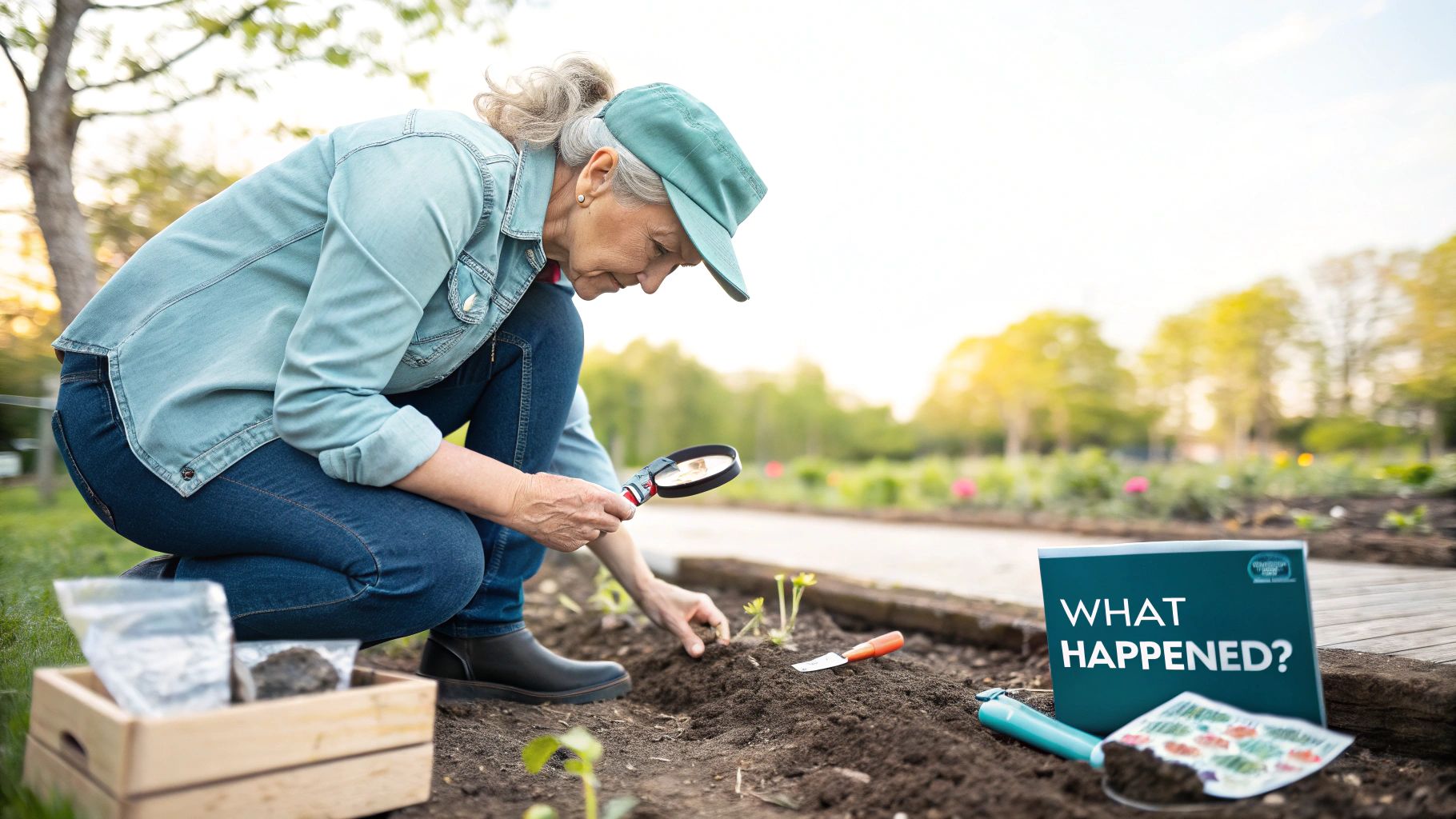
So, what exactly is trauma-informed care in a practical sense? It's a guiding framework that recognizes just how common trauma is and how it can affect a person’s path to recovery.
The real magic happens with a simple but powerful shift in perspective. Instead of asking, "What's wrong with you?", the question becomes, "What happened to you?". This subtle change moves from a place of judgment to one of compassion and curiosity.
This approach isn't a special technique reserved for certain clients; it's a universal precaution. We assume that anyone we meet could have a history of difficult experiences that might affect how they react to touch, their surroundings, or even a conversation. By adopting this mindset from the start, we build an atmosphere of safety and collaboration that benefits absolutely everyone.
Moving Beyond Standard Care
Let’s look at how this plays out in a massage session. In a typical appointment, the focus is often squarely on the physical problem—a tight shoulder, a sore back. While that’s important and effective, it can sometimes miss the bigger picture of the client's emotional and psychological state.
Trauma-informed care widens the lens. It acknowledges that seemingly small things, like moving a limb without warning or applying unexpected pressure, could be deeply unsettling for someone with a trauma history.
To illustrate the difference, here's a quick comparison of the two approaches.
Standard Care vs Trauma Informed Care at a Glance
Aspect | Standard Approach | Trauma Informed Approach |
|---|---|---|
Initial Question | "What's wrong?" (Focus on the problem) | "What happened?" (Focus on the person) |
Consent | Assumed after initial intake form | Ongoing, verbal, and checked at each step |
Client Control | Therapist leads the session and makes decisions | Client is an active partner; their choices guide the session |
Environment | Functional and clinical | Calming, safe, with attention to personal space |
Focus | Primarily on physical symptoms and muscular issues | Holistic; considers physical, emotional, and psychological well-being |
Goal | Fix the physical issue | Create a safe space for healing; physical relief is a result |
As you can see, the trauma-informed model is built on partnership, not just treatment.
This deeper awareness is especially crucial for mobile massage services in communities like Brampton, Mississauga, and Milton, where we enter the client's most personal space—their home. You can learn more by exploring the core principles of trauma-informed care that are the bedrock of this practice.
The core idea is that genuine healing involves both body and mind. It's about building a therapeutic relationship founded on trust, transparency, and mutual respect, ensuring you feel completely in control from start to finish.
By prioritizing consent, choice, and open communication, our male Registered Massage Therapist (RMT), Taylor, can adapt any technique—from deep tissue work to gentle geriatric massage—to feel more supportive. This careful approach helps the nervous system truly relax, which not only feels better but also leads to better physical results.
If you're new to this kind of therapy, you might also find it helpful to learn more about what is registered massage therapy and how it can help you.
The Six Pillars of Trauma-Informed Massage
Trauma-informed care isn't just a buzzword; it's a real, hands-on approach built on six core principles. Think of these principles as the foundation that turns a good massage into a truly healing one, ensuring every single interaction is grounded in respect, safety, and partnership.
At Stillwaters Healing & Massage, our male RMT, Taylor, weaves these pillars into every home visit, whether he’s in Brampton, Guelph, or Oakville. Let's break down what that actually looks and feels like.
1. Safety First and Always
The first and most important pillar is Safety. This goes way beyond just physical safety—it's about creating a space where you feel emotionally and psychologically secure. A trauma-informed RMT gets that for many people, feeling safe is a fragile thing.
In practice, this starts the moment Taylor arrives. He’ll chat with you about the room setup, ask where you feel most at ease, and make sure the lighting and music are just right for you. Every step is about removing the guesswork and building a solid sense of security from the ground up.
2. Trustworthiness and Transparency
Once safety is established, the next step is building trust. This happens when interactions are clear, consistent, and completely open. For someone with a history of trauma, trust can be hard-won, which is why transparency is non-negotiable.
This means Taylor will always explain what he's doing and why—before he does it. You’ll never be caught off guard by a sudden movement or a new technique. He’ll walk you through what to expect during a Myofascial Release or Swedish Massage session, making sure you feel informed and respected every step of the way.
This is especially critical across the Halton and Peel regions, where the need for this kind of care is clear. Over 75% of Canadians have experienced at least one traumatic event. For seniors, lingering stress from the past can make conditions like arthritis or mobility challenges even worse. Understanding this reality is the key to providing care that actually helps. You can explore more research on how effective trauma-informed initiatives are to see the data for yourself.
3. Empowerment, Voice, and Choice
This pillar is all about putting the control back in your hands. So often, trauma involves a profound loss of power. A huge part of the healing process is reclaiming that agency and knowing you are the one in charge.
Your voice is the most important one in the room. You have the absolute right to guide your session, change your mind, or stop at any time for any reason—no questions asked.
Here’s what that looks like in action:
You decide the pressure: Taylor checks in regularly to make sure the pressure is perfect for you.
You choose the focus: Want to work on one area and avoid another completely? You've got it.
You control the session: A simple word or even a small gesture is all it takes to pause or end the treatment.
4. Collaboration and Mutuality
The fourth pillar gets rid of the old "therapist-fixes-client" dynamic and replaces it with a genuine partnership. Taylor works with you, not on you. This can also mean working alongside family, caregivers, or nursing staff in places like Milton or Caledon to create a supportive circle of care that honours your history and goals.
5. Peer Support
While a one-on-one massage is different from a group setting, the principle of Peer Support is still vital. It’s about acknowledging the healing power of shared human experience. Taylor approaches his work as a partner on your wellness journey, not an authority figure, which creates an environment built on mutual respect.
6. Cultural, Historical, and Gender Humility
Finally, this last pillar is about recognizing and respecting a person's entire identity without making assumptions. It means being aware of how historical trauma might impact certain communities and approaching every single client with humility and a genuine desire to learn about their unique background. This ensures the care provided is not only respectful but truly relevant to who you are.
Why This Approach Matters for Seniors and In-Home Care
Life is a long journey, and for many seniors, that journey includes a mix of experiences—from navigating complex medical procedures to grieving personal losses. These events can leave a lasting impact, sometimes showing up as heightened sensitivity, anxiety, or even chronic pain.
When a massage therapist walks into someone's home or a room in a long-term care facility, they're entering a deeply personal space. This isn't a neutral clinic; it's a sanctuary. That’s why a trauma-informed approach isn’t just a nice-to-have—it’s absolutely essential. It changes the entire dynamic from a clinical treatment to a collaborative, healing partnership built on trust and respect.
This compassionate way of working makes a real difference. It helps build a strong therapeutic relationship much faster, which in turn leads to far better results in managing pain and reducing stress.
Creating a Safe Space at Home
A mobile massage practice brings therapy right into a client's most familiar environment. For seniors in our communities like Brampton, Toronto, and Etobicoke, this convenience is a game-changer. But it also means the therapist has a greater responsibility to create a profound sense of safety and trust. A trauma-informed RMT gets this. They understand the home is a private haven and act accordingly, always putting the client's sense of control first.
This is especially important for more vulnerable individuals. The principles of clear communication and giving the client power are critical when caring for dementia patients, for example, ensuring that therapeutic touch is a positive and calming experience, not a distressing one.
The need for this kind of mindful care is backed by some serious numbers. Studies have found that a significant number of older adults struggle with mental health challenges, often made worse by past trauma. In fact, some research indicates that as many as 1 in 10 seniors in certain urban populations have been diagnosed with PTSD. This really underscores why a thoughtful, aware approach is so vital in places like Peel Region's assisted living facilities.
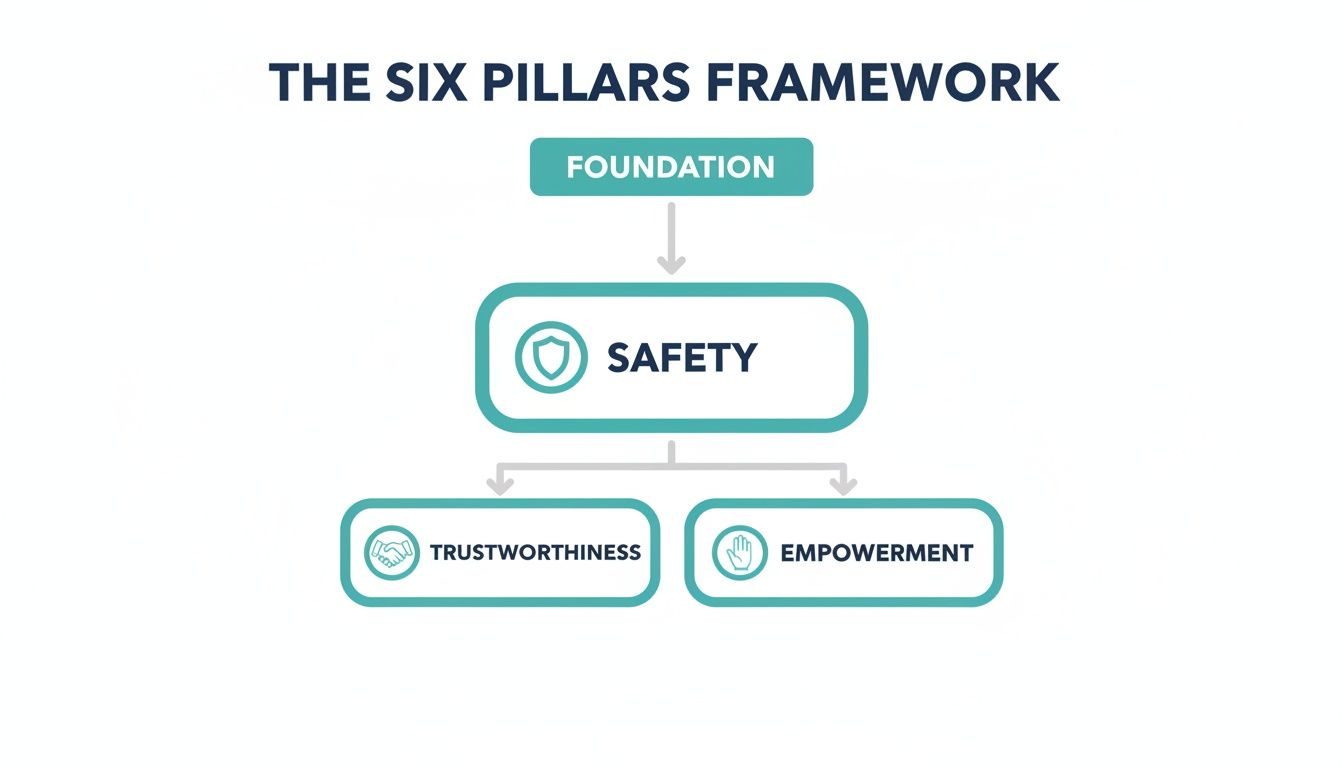
As this framework shows, everything rests on a foundation of safety, trustworthiness, and empowerment. These are the non-negotiable building blocks for any successful therapeutic relationship.
Renewed Control and Enhanced Well-Being
At its heart, trauma-informed care gives seniors something incredibly valuable: a renewed sense of control over their own bodies and their environment.
When a client truly knows—without a doubt—that they can pause, adjust, or stop any part of the session without judgment, it sends a powerful signal to their nervous system. It’s a signal to relax, let go, and fully absorb the benefits of treatments like Geriatric Massage or Joint Mobilization.
This feeling of agency is profoundly healing in itself. It elevates an in-home massage from a simple service into a deeply restorative experience, one that fosters a sense of well-being that goes far beyond just soothing physical aches and pains.
You can dive deeper into the specific benefits in our complete guide to in-home massage therapy for seniors.
A Look Inside a Trauma-Informed Massage Session
The idea of a massage might sound wonderful, but the practicalities of a session—especially with a new therapist in your own home—can bring up a lot of questions. What does a truly trauma-informed massage actually look and feel like? Let’s walk through the entire experience, from the first conversation to the final moments of your treatment, so you know exactly what to expect.
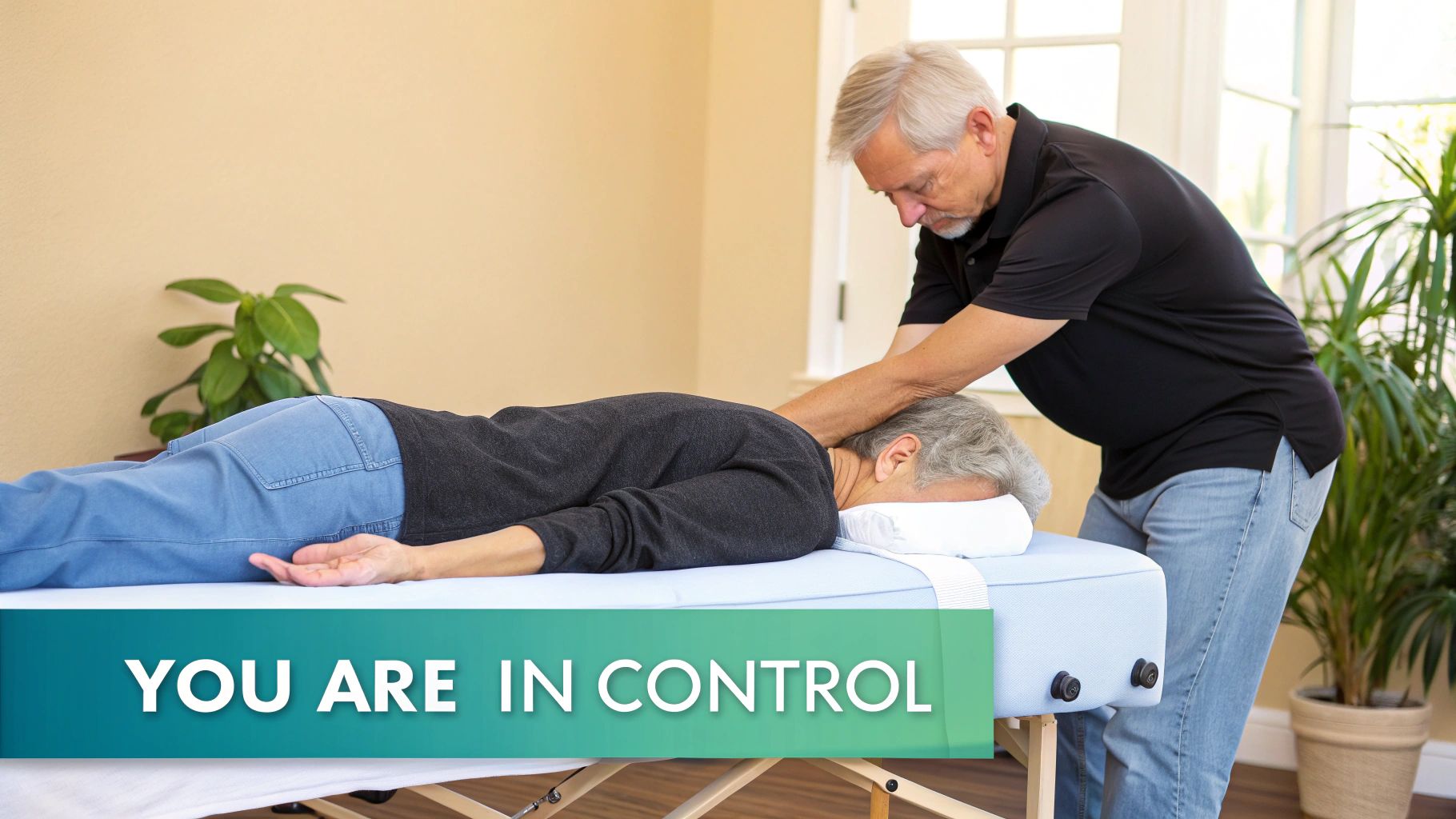
Everything starts with clear, open communication. Before our male RMT, Taylor, even arrives at your home in Brampton or Mississauga, he’ll have a detailed conversation with you to understand your needs, preferences, and any specific concerns you might have.
This is your opportunity to set the stage for a comfortable experience, and it's a crucial first step in building the trust that defines what trauma-informed care is all about.
Your Space, Your Rules
Once Taylor arrives, the focus remains squarely on your comfort and sense of control. He’ll work with you to set up the massage table in a spot where you feel most at ease.
You are always in charge of the environment. This includes details like:
Lighting: Do you prefer a softly lit room or something a bit brighter?
Music: Would you like calming music, the gentle sounds of a soundscape, or simply quiet?
Temperature: Let him know if you need an extra blanket or prefer the room to be cooler.
These aren't just minor preferences; they are essential for creating a psychologically safe space where your nervous system can finally relax.
Consent as a Continuous Conversation
In a trauma-informed session, consent isn’t a one-time checkbox on an intake form. It’s an active, ongoing dialogue that happens throughout the entire massage.
You are always in control. Taylor will explain what he plans to do before he does it and will frequently check in with simple, clear questions. This ensures there are never any surprises.
This continuous conversation might sound like:
"I'm going to start working on your shoulders now. Is that okay?"
"How is this pressure feeling for you? I can go lighter or deeper at any time."
"Are you still comfortable in this position?"
This approach gives you the power to guide the session moment by moment. Your feedback isn't an interruption; it’s the most important part of the treatment.
Professional Draping and Adapted Techniques
Feeling physically secure is non-negotiable. Taylor uses professional draping techniques with clean linens to ensure you are always completely covered, except for the specific area being worked on. This practice maintains your privacy and warmth, fostering a deep sense of security.
Furthermore, every technique is adaptable. Whether you’ve booked a Deep Tissue Massage to address chronic pain or Trigger Point Release for stiffness, the approach is always modified to be gentle and respectful of your body’s signals. The goal is never to push through pain, but to work collaboratively with your body to encourage release and healing.
This careful, compassionate process is the cornerstone of effective care. For a more detailed overview of what an in-home visit involves, check out our ultimate guide to massage therapy at home.
How We Put Trauma-Informed Care Into Practice
At Stillwaters Healing & Massage, understanding what trauma-informed care is isn't just a concept we’ve studied—it’s the heart of everything we do. This philosophy shapes every single interaction, ensuring our mobile massage services in Brampton, Toronto, Etobicoke, Oakville, Caledon, Orangeville, Mississauga, Milton, Halton, and Guelph are not only therapeutic but profoundly safe and respectful. Our male RMT, Taylor, weaves these principles into every session, making your well-being his absolute priority.
This all starts with a patient, unhurried approach to communication. Right from our first phone call, we take the time to listen and truly understand your needs and concerns. We want you to feel heard and valued long before Taylor ever arrives at your door.
A Collaborative and Adaptive Approach
We believe that healing is a partnership. Taylor works closely with clients, their caregivers, and any relevant facility staff in locations from Oakville to Caledon. This teamwork is all about creating a circle of support and making sure your massage therapy plan aligns perfectly with your health goals and personal comfort levels.
This flexible approach is especially vital when caring for clients with specific health conditions.
For Clients with Parkinson's or MS: We adapt the session to be gentle and supportive. The focus is on easing muscle rigidity and improving comfort, all without overstimulating the nervous system. Techniques like Joint Mobilization are always applied with extra care and attention.
For Palliative Care Clients: Here, the focus shifts entirely to comfort and quality of life. We use touch to provide solace, help reduce pain, and create moments of peace that honour the client's dignity.
Our promise is to meet you exactly where you are. Treatment plans aren't set in stone; they adapt in real-time to what you need on any given day. Your emotional and physical safety will always come first.
Commitment to Ongoing Education
The world of therapeutic care is always evolving, and so are we. Taylor is dedicated to continuous learning in trauma-informed practices, geriatric massage, and techniques specifically suited for clients with complex conditions. This commitment ensures the care you receive is not only compassionate but also grounded in the most current and effective best practices.
By thoughtfully integrating services like Swedish massage, Cupping therapy, Deep tissue massage, Rehabilitation massage, Myofascial release, Trigger point release, Joint mobilization, Hydrotherapy applications, Geriatric massage, Sports massage therapy, and Energy healing within this framework, we offer a specialized and deeply supportive mobile massage experience. It’s how we deliver on our promise to the communities we serve, from Toronto to Orangeville. This foundation of safety and trust is essential for positive outcomes, which you can read more about in our article on how mobile massage supports senior wellness.
Ready to experience a truly supportive massage? You can book a session with Taylor through our simple online booking portal.
Answering Your Questions About Trauma-Informed Massage
It’s completely natural to have questions when you’re exploring a new approach to health care. We've put together answers to some of the most common things people ask about trauma-informed massage. Our aim is to make sure you feel completely at ease and informed before our male RMT, Taylor, arrives for your session, whether you're in Brampton, Toronto, or a neighbouring community.
Think of this as a conversation starter to help you feel ready for a safe, respectful, and deeply effective massage experience right in your own home.
Do I Need to Have a History of Trauma to Benefit From This?
Not at all. The best way to think about trauma-informed care is as a universal precaution—a higher standard of care that benefits everyone. It’s like curb cuts on sidewalks; they were designed for wheelchairs, but they make life easier for parents with strollers, travellers with luggage, and kids on bikes.
By building our practice on a foundation of clear communication, ongoing consent, and empowering you with choice, we create an environment where anyone's nervous system can feel safe enough to unwind. This leads to a more profound sense of relaxation and better therapeutic results for every single client.
How Is This Different From Trauma Therapy?
That's a really important question, and the distinction is clear. As a Registered Massage Therapist, Taylor's scope of practice is focused on the body. He is not a psychotherapist, and a massage session is not the place to process trauma psychologically.
A trauma-informed massage is all about providing therapeutic bodywork in a way that consciously avoids re-traumatization. The focus is entirely on your physical and emotional safety in the present moment, allowing your nervous system to relax and heal.
Our job is to create a safe container for physical healing. While a restorative massage can certainly have a positive ripple effect on your overall well-being, it is not a substitute for psychological therapy.
How Should I Get Ready for My First In-Home Session?
Preparing for your session is simple because it’s all about what makes you comfortable. The single most important thing to remember is that you are in the driver's seat for the entire appointment.
Here are a few things you might consider:
Wear what’s comfortable: There’s no dress code. Choose clothing that makes you feel relaxed.
Think about the atmosphere: Do you prefer soft music or silence? A warmer room or a cooler one? It’s your call.
Be ready to share: The most crucial preparation is being ready to communicate what feels good and what doesn’t. Your feedback is what guides the entire session.
Is This Approach a Good Fit for Someone With Dementia?
Yes, absolutely. A trauma-informed approach is especially powerful for individuals living with dementia or other forms of cognitive change. Its core principles—predictability, gentle communication, safety, and empowerment—are exactly what’s needed to create a positive and calming experience.
We always work closely with caregivers to learn about a client's history, their unique communication style, and any potential triggers. By carefully adapting our touch, pacing, and words, we can provide a soothing session that often helps reduce agitation and improve their quality of life. If you're looking for more general advice, our guide on how to find a registered massage therapist in your area might also be a useful resource.
Experience compassionate, client-centred care without ever leaving home. Stillwaters Healing & Massage is here to support your wellness journey with a safe, respectful, and effective approach.
Book your in-home session today: https://stillwatershealingmassage.clinicsense.com


